
Does Your Child Trust You?

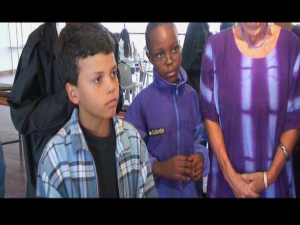 Trust is something that a parent need not do anything to earn from one’s own child. It is already there. All a parent can do is strengthen or erode it!
As the child grows, says Robert McGee in Father Hunger, this trust becomes fragile and has to be reinforced for it to remain intact.
Children first assume that their parents are always right. That they never make mistakes. However, if a parent behaves in a manner contrary to this belief, the child loses the faith and trust he or she has in him or her.
RELATED: Why It’s Better for Parents to Discipline Their Children Than Letting the State Do It!
Children learn by observation. Consequently, parents are advised to affirm, love and value their
children.
Parents can reassure their children by using words like “I am sorry” or “I love you.”
Trust is earned and never manipulated. A parent should also trust the child for there to be
mutual trust. In adolescence, many children lose trust in their parents if their parents fail to trust
them.
Some people never see their parents negatively no matter how ill they are treated. But later, they
may start seeing how bad their parents treated them and then lose faith in them.
RELATED: How Town Planners and Designers Can Help in Fighting Urban Neighbourhood Crime
 Children brought up in families in which they have lost trust find it difficult to trust anyone else. This also destroys relationships with a future spouse and children. It can also prevent one from opening up to colleagues at work. This leads to poor relationships among people and pain of generations as parents who never trusted their own parents transfer the same to their children who in turn mete similar treatment to their own offspring.
RELATED: African Family Laws Discriminatory Against Women
People who never received enough affirmation, love and trust from their parents are likely to be sensitive to being offended. To befriend them, you must aspire to be perfect to avoid breaking their fragility. Such people tend to oscillate between extremes. One is either wonderful or evil. They also tend not to trust other people or be committed to them. They are likely to be less forgiving, lack thankfulness and shift blame to others.
Children can lose the trust in their parents by what they see, hear or if the parent intentionally breaks the bond between them or when their perspective changes.