

Ethiopia Receives Funding to Safeguard Jobs and Livelihoods

By IFAD
Published May 27, 2021
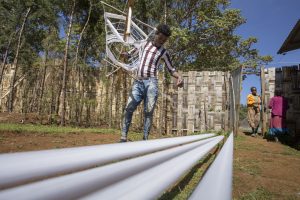 Ethiopia is set to receive EUR26.5 million worth of liquidity and debt relief to rural financial institutions to protect jobs and safeguard livelihoods during the COVID-19 pandemic.
The International Fund for Agricultural Development (IFAD) and the European Union (EU) who are providing the funds say Ethiopia’s agriculture sector and rural people are the most adversely affected by COVID-19.
RELATED: South Sudan Farmers Receive Support Against COVID-19
The pandemic, the funders say, has reduced agricultural labour, limited access to inputs and production capital, reduced production and productivity, and obstructed access to markets and financial services. Also affected are Micro, small and medium enterprises (MSMEs) and cooperatives who play an important role in creating jobs and sustaining livelihoods in rural areas are also facing the challenges due to the pandemic.
 “Today’s new project of €26.5 million to support agriculture financing in time of COVID shows our support to Ethiopia’s economic development and job creation. This EU and IFAD funding will provide new line of credits to agricultural SMEs and their farmers in the production areas of the main agro-industrial parks of the country,” says Dominique Davoux, Green Deal Team Leader, EU Delegation in Ethiopia.
Through the IFAD-supported Rural Financial Intermediation Programme III (RUFIP III), the funders say in a statement, the government of Ethiopia’s request to provide liquidity to MSMEs experiencing shortages will be met with assistance to enhance the resilience and sustainability of the rural financial sector. More than 1.5 million clients of these rural financial institutions will benefit.
RELATED:Commonwealth Calls for Resilient Health Systems
“The COVID 19 pandemic is affecting the most vulnerable members of the community through loss of jobs and economic opportunities. As the life blood of the rural economy, MSMEs will be able to sustain their business with minimum shocks and retain employees, thanks to this assistance,” says Mawira Chitima, IFAD Representative and Country Director for Ethiopia. “IFAD is happy to co-finance this effort with the EU and the government of Ethiopia, because protecting jobs is vital for resilience and supporting the financial sector is a key strategy”.
The Development Bank of Ethiopia (DBE) will receive a EUR13.8 million IFAD grant and an additional EUR12.7 million EU grant to improve its liquidity and support rural financial institutions (RFIs). The financing will enable RFIs to help their MSME clients retain workers in employment, reduce the interest cost of credit, provide support to farmers facing challenges meeting their contract farming arrangements, absorb the penalty on defaulted loan repayments, and offer liquidity to partly meet the deferment of loan instalments due to DBE from the RFIs.
RELATED: Kenya Launches Digital Land Management and Administration System
“This support could be key in maintaining agricultural productivity in time of uncertain national and international food markets because of COVID,” Davoux says. “The EU contribution provides for an interest rate subsidy that will reduce the costs of finance for RUFIP beneficiary enterprises affected by the COVID-19 crisis, thereby increasing their resilience to withstand the crisis and maintain employment”.
Key partners in the project will include the Federal Cooperative Agency, the Regional Cooperative Promotion Bureaus, Association of Ethiopian Microfinance Institutions and the National Bank of Ethiopia.
IFAD says it has since 1980 invested US$795.5 million in 20 rural development programmes and projects in Ethiopia worth US$2.1 billion, directly benefiting around 12 million rural households.


