How to mitigate possible urban lead poisoning risks

 1). Ensure adequate nutritional intake of calcium and iron, which can help block the body from absorbing lead
2). Minimise your consumption of canned food as the cans have seams joined by lead solder that could be harmful
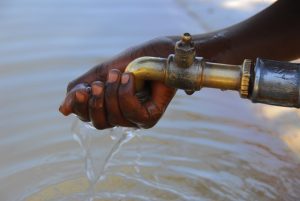
3). If you use tap water, always let the cold water run for a while to help flush out any lead-contaminated water before drawing it, particularly so if the water tap has been turned off for more than six hours
4). Never use hot tap water for drinking and cooking as there will likely be more lead in hot tapped water than in cold tap water
RELATED: How Urban Environment Exposes You to Lead Poisoning
 5). If you drink from an electric fountain, always let the water run for a few seconds before every use
6). Don’t reuse or turn plastic shopping bags inside out as the leaded ink can contaminate the food being carried in it
7). Regularly wash your hands and toys to minimise the ingestion of any lead dust
8). Test your water with a certified water filter to remove lead
9). Remove your shoes TV and use doormats to prevent contaminated soil from being tracked into your living space
RELATED: How Town Planners and Designers Can Help in Fighting Urban Neighbourhood Crime
 10). Minimise dust buildup by wet-mopping floors and wiping windowsills with an HEPA (High-Efficiency Particulate Air) vacuum cleaner. HEPA is an air filtration standard that traps 99.97% of airborne particles as small as 0.3 microns, including dust, pollen, pet dander, mould and bacteria.
#urbanisation #pollution #lifestyle #health #environment
RELATED: Is the statement, ‘Married Women Are Easier Prey’, a Myth or Reality?